28 Historical Hairstyles Medieval Ideas
Hey there, fellow hair enthusiast! If you’ve ever found yourself scrolling through Pinterest or binge-watching historical dramas and thought, “Wow, those hairstyles are absolutely stunning!”, then you’re in the right place.
Medieval hairstyles are not just about hair—they’re a peek into history, culture, and sometimes even social status.
Today, we’re diving deep into 28 historical hairstyles medieval ideas that will inspire your next creative look, cosplay, or even wedding style.
Grab a cup of tea (or maybe a goblet if you’re feeling extra medieval), because we’re about to journey through braids, twists, buns, and more, all with a medieval twist!
1. The Crown Braid
Ah, the classic crown braid. Imagine hair braided around your head like a regal halo—it screams elegance and nobility. This style was popular among medieval queens and princesses. The best part? It keeps your hair neatly out of your face while looking incredibly fancy.
Pro tip: Add a ribbon or small jewels woven through the braid for extra authenticity.
2. The French Braided Halo
Similar to the crown braid but with a slightly tighter, more intricate braid. The French braided halo frames the face beautifully and gives that sophisticated medieval aura. It was often worn during festivals or formal court appearances.
3. Braided Bun
A medieval favorite for both practicality and style. The braided bun keeps hair off the neck—ideal for knights’ wives or ladies attending long banquets. You can make it sleek and tight or soft and romantic, depending on your mood.
Fun twist: Wrap a gold cord or tiny flowers around the bun for a medieval garden vibe.
4. Half-Up Twists
For those who want a mix of flowing hair and structured style, half-up twists are perfect. Hair is parted in the middle and the top sections twisted back and secured. This style was common among young maidens and symbolized modesty.
5. The Medieval Ponytail
Yes, ponytails existed in the medieval period too, though they were more elaborate than today. Often braided or adorned with ribbons, the medieval ponytail was both functional and stylish—perfect for dancing or working in the gardens.
6. Double Braids
Twice the braids, twice the fun! Medieval women often wore double braids for a youthful and charming look. You can play with thickness and texture—tight braids for a courtly look, loose ones for a countryside aesthetic.
7. Intricate Weaves
Some medieval hairstyles were downright artistic, with hair woven into geometric patterns. These styles were often reserved for nobility and required hours of effort. Don’t worry; you don’t need a royal hairstylist—practice makes perfect!
8. Veil and Hair Combo
A staple in medieval fashion was the veil. Hair would be styled in buns, braids, or twists and then draped with a veil for modesty and elegance. Brides especially rocked this look during weddings, giving an ethereal, almost angelic appearance.
9. The Long Flowing Hair
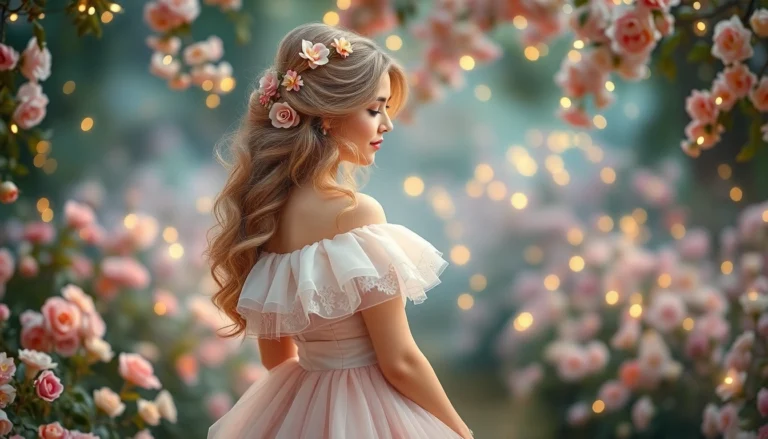
Not all medieval hairstyles were structured. Long, flowing hair was often associated with youth and beauty. Think of those classic tapestries of ladies with hair cascading down their backs—pure fairy-tale vibes.
Tip: Add soft waves with braids or ribbons for extra drama.
10. The Side Braid
Simple yet elegant. Hair is braided to one side, often falling over the shoulder. This style was practical and easy to maintain while still keeping a medieval aesthetic. Pair it with a jeweled hairpin for authenticity.
11. The Knotted Bun
Medieval buns weren’t always smooth and neat. Knotted buns, with strands twisted and tucked creatively, were popular among married women and working ladies. It’s a timeless look you can recreate with modern hairpins.
12. The Rope Braid
A rope braid is a tight, twisted braid that resembles a rope—hence the name. Medieval women often wore these for formal events, pairing them with ribbons, beads, or small charms.
13. The Flemish Braids
Originating from Flanders, these braids are elegant and versatile. Often combined into complex updos, they give a sophisticated, historical vibe. Great for medieval reenactments or Renaissance fairs!
14. The Braided Halo with Curls
Mixing structure with softness, this style combines a halo braid with loose curls around the face. It’s romantic, regal, and perfect for anyone wanting that medieval princess look.
15. The Medieval Crown Bun
Picture a bun that sits high on the crown of the head, sometimes braided or twisted. This style exudes authority and poise—ideal for medieval queens or noblewomen.
16. Ribbon Braids
Ribbons were a big deal in medieval hair fashion. Woven into braids, they added color and texture. You could use bright hues for a playful look or subtle pastels for elegance.
17. Hair Nets
Not as scary as they sound! Hair nets were used to keep braids and buns neat. Some were plain, some decorated with jewels, making them a fashionable and functional accessory.
18. The Medieval Chignon
Similar to modern chignons, but often with a more intricate, layered appearance. Hair is rolled and tucked into a low bun at the nape of the neck—timeless and classy.
19. Twisted Side Bun
A favorite for evening events in the medieval era. Hair is twisted and pinned into a bun on the side, often paired with a delicate veil or small jeweled pins.
20. Braided Updo with Accessories
This is where you can truly channel your inner medieval queen. Multiple braids are woven together into an updo, accented with pearls, gold pins, or tiny flowers. It’s intricate but absolutely stunning.
21. The Wimple Hairstyle
Wimples were medieval head coverings often paired with hair pulled tightly back or braided. This modest yet stylish look was common among married women, nuns, and noble ladies.
22. Curly Medieval Locks
Loose, natural curls were popular, especially among younger women. Sometimes combined with a braid crown, curls added softness and femininity.
23. The Side Twist
A simple but elegant twist of hair pinned to the side. Perfect for festivals, dancing, or a casual medieval-inspired day out. Easy to do and surprisingly chic!
24. Braided Ponytail with Ribbons
Combine practicality with style! A braided ponytail adorned with ribbons is a playful, youthful look often seen in medieval artwork. Great for reenactments or casual cosplay.
25. Medieval Pageboy
Shorter haircuts like the pageboy existed too! Typically straight and cut around chin length, sometimes with slight curls at the ends, this style was practical and stylish.
26. Looping Braids
Instead of traditional braids hanging straight, looping braids are wrapped into circular patterns around the head. Often used for formal occasions, they’re striking and historically accurate.
27. Decorative Pins and Combs
Sometimes, the accessory makes the hairstyle. Medieval women often used decorative pins and combs to accentuate braids, buns, or updos. A single jeweled pin could transform a simple braid into a court-worthy masterpiece.
28. The Medieval Half-Up Bun
Finally, the half-up bun—a perfect blend of casual and elegant. Top half of the hair is styled into a bun or twist, while the rest flows freely. This style was practical for daily life while still showcasing charm and sophistication.
Tips for Recreating Medieval Hairstyles
- Texture is key: Medieval hair wasn’t perfectly smooth. Use braids, waves, or curls to add depth.
- Accessories make a difference: Ribbons, pins, veils, and jewels instantly transform a hairstyle into a medieval masterpiece.
- Practice makes perfect: Intricate braids take time. Don’t get discouraged—start with simpler styles and work your way up.
- Historical accuracy vs. modern twist: Feel free to combine medieval inspiration with modern flair for a unique look.
Why Medieval Hairstyles Are Timeless
Medieval hairstyles are not just historical—they’re inspiring. They remind us that hair is an art form, a symbol of status, and a way to express creativity. Whether you’re a history buff, a cosplayer, or simply love trying new styles, medieval hair offers endless possibilities. From braids and buns to twists and flowing locks, there’s something for everyone.
So next time you’re looking for a hairstyle that’s a little extra, a little royal, or just downright enchanting, take a cue from medieval history. Who knows—you might just feel like a queen (or knight) in your own story!
Final Thoughts
There you have it—28 historical hairstyles medieval ideas to inspire your next hair adventure. Whether it’s for cosplay, a themed party, or just some fun experimentation, medieval hairstyles offer creativity, elegance, and timeless charm. Don’t be afraid to mix and match braids, buns, twists, and accessories. After all, in the medieval era, hair was more than style—it was a statement.